
The Ayurvedic Athlete
Ancient Wisdom for Modern Performance


I have been meaning to write this for a long time. In our house, we are surrounded by athletes of all levels; we live for movement, exercise, and the outdoors. But while exercise is arguably the healthiest thing you can do for yourself, I’ve learned that balance is the real key. It is vital to train at a level our bodies can actually tolerate while ensuring we nourish and rest with the same intensity we bring to our workouts.
I also felt a pull to write this because of the “social media effect.” We are constantly bombarded by trends. I’m not saying those trends are wrong—some work, some don’t—but the noise can get confusing.
I am still testing the things I have learned through Ayurveda, and I only share what I have personally felt to be effective. This is an ancient system, which often raises a question: Is this just an old tradition with no validity in the modern world? Or is it ancient wisdom that has stood the test of time?
I believe the only way to find out is to test the system yourself. Here are some insights from my own journey.
Identify Your Athletic Dosha
Perhaps you already know your dosha (if not, check out my blog “The Elements Within: A Simple Look at the Doshas”). The world of doshas can get complex, and it often takes time—and ideally a good Ayurvedic Doctor—to truly map out your unique combination.
Ultimately, Ayurveda sees everyone as a mix of three energies. Knowing your dominant energy helps you understand how to train, eat, and recover:
The Vata Athlete (The Graceful Gazelle): Naturally thin and fast, but prone to anxiety and joint injuries. They need grounding, warm foods, and strict routines.
The Pitta Athlete (The Competitor Warrior): Driven, muscular, and intense. They are prone to inflammation and overheating. They need cooling practices and must learn to “dial it back” to 80% effort to avoid burnout.
The Kapha Athlete (The Endurance Champion): Strong and sturdy, with incredible stamina. They are prone to lethargy and need high-intensity stimulation and light, spicy foods to stay motivated.
We are all a blend, and our needs shift based on our training load, the seasons, and our age. While I plan to turn this into a booklet eventually, there are a few universal tips that have benefited everyone in my home.

The Golden Ritual of Recovery: Abhyanga
This might be my favorite Ayurvedic discovery. While I’ll admit I don’t do it often enough, it is a frequent topic in my blogs for a reason. Most athletes reach for a foam roller; Ayurveda reaches for warm oil. Abhyanga, or self-massage, is a total game-changer for muscle recovery. Massaging your limbs with warm oil—heavy sesame/almond for Vata, cooling coconut for Pitta, or light mustard/sunflower for Kapha—does three wonderful things:
Lubricates the joints to prevent wear and tear.
Flushes the lymphatic system to clear out metabolic waste.
Calms the nervous system, shifting you from “fight or flight” training mode into “rest and digest” recovery.
Try to do this at least once a week, perhaps the day before your rest day. It’s best on an empty stomach, either early morning or before bedtime. There are plenty of resources on the web on how and why to do abhyanga; here is one that I like.
The Prana “Biohack”: Nasal Breathing
Many athletes are “mouth breathers” during exertion, which can trigger a stress response in the brain. Ayurveda and Yoga emphasize nasal breathing. By training yourself to breathe through your nose during low-to-moderate intensity workouts, you:
Filter and warm the air entering your lungs.
Increase CO2 tolerance, which improves oxygen delivery to the muscles.
Keep your heart rate lower under the same physical load.
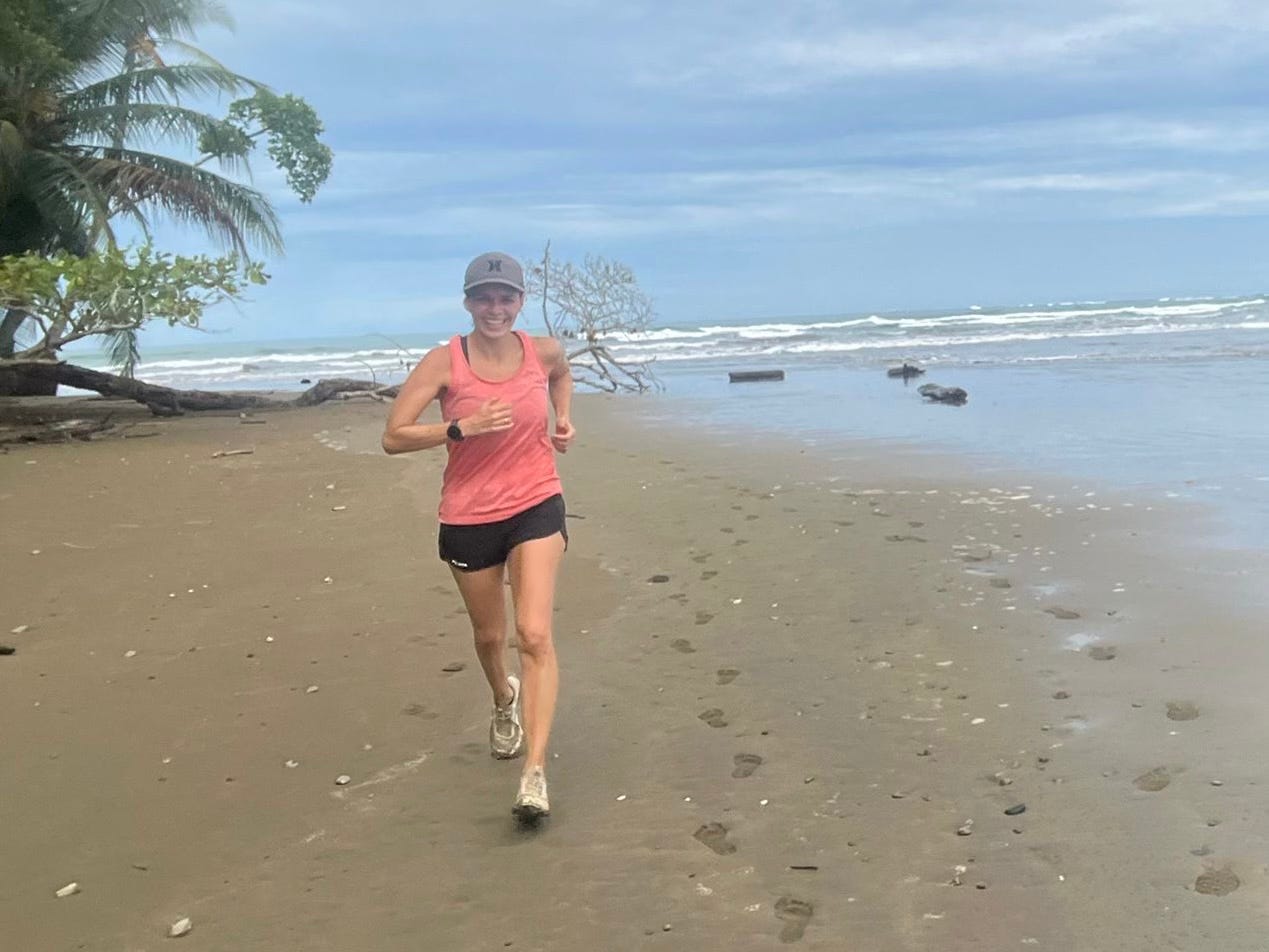
I’ve practiced this during my runs, and it definitely works. It slows my heart rate and brings a sense of relaxation combined with a gentle burst of energy. Even outside of training, taking just 5 minutes to sit and find a steady rhythm in your breath can yield magical results.
Ayurvedic Nutrition & Agni
Ayurveda views nutrition through Agni (digestive fire). If our Agni is weak, we simply won’t absorb the nutrients we need to perform and heal.
Skip the Ice Water: According to Ayurveda, very cold or frozen drinks “put out” your digestive fire. Switch to room-temperature or lukewarm water to keep your metabolism steady. I know this doesn’t sound very appealing—I didn’t like it at the beginning either—but I got used to it and now see the benefits in multiple ways.
The Power of Turmeric: To manage training-induced inflammation, try a Golden Milk latte at night. Personally, I love it in the morning—adding turmeric, black pepper, lemon, and a bit of honey to my warm water. (Note: Make sure the water is just warm, not boiling, or it can ruin the chemistry of the honey and lemon).
Time Your Biggest Meal: Eat your largest meal at lunch when the sun is high and your Agni is strongest.It keeps the body light and the energy at a good level. A heavy steak at 9:00 PM will sit in your gut, sabotaging your sleep and recovery.

Little Rituals for Big Performance
Sometimes the biggest shifts come from the smallest habits:
Make Savasana Mandatory: After your workout, don’t just jump into the shower. Spend 5 minutes in Savasana (Corpse Pose). By lying flat and still, you signal to your nervous system that the “stress” of exercise is over and the “building” phase of recovery can begin. To protect your back, I recommend to put a pillow under your knees.
The Evening Oil Ritual: If you can’t find time for a full-body massage, rub a little warm oil on the soles of your feet before bed. It is incredibly grounding and helps deepen your sleep cycles. Believe me, this works!
Respect the “Sleep Detox”: Go to bed early. Ayurveda teaches that “internal cleaning” happens during specific windows of the night. Being asleep by 10:00 PM is a game-changer for your morning energy and tissue repair.
Final Thoughts
Modern athletics often tells us that “more is better,” but Ayurveda reminds us that balance is better. By understanding your unique constitution and incorporating small rituals, you aren’t just training harder—you’re training smarter.
You don’t need to change your entire life overnight. Pick one ritual, practice it consistently for three months, and listen to what your body tells you. You might just find that this “old system” is exactly what your modern performance has been missing.
Solid advice... Love this